
The CODA Project at University College Cork
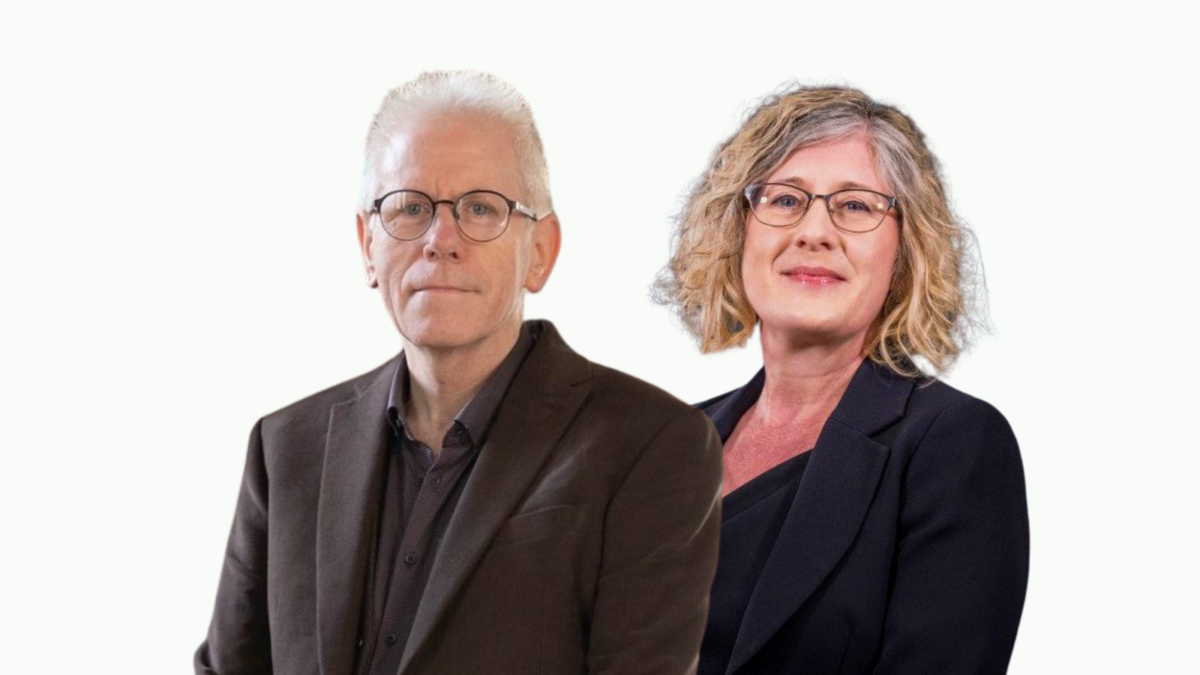
Major Milestone for The CODA Project at University College Cork thrilled to announce that Dr Noel O’Connell and Prof. Jemina Napier paper, “A qualitative literature review of how hearing codas navigate deafness stigma,” is published in the Journal of Deaf Studies and Deaf Education!
This research was funded by Research Ireland under the SFI-IRC Pathway programme (Grant Number: 22/PATH/A/0023
Below is a summary of the ISL video above
Part 1: Introduction & publication announcement
Hello! I’m Dr. Noel O’Connell, deaf postdoctoral researcher working at University College Cork.
My work involves doing research on hearing Children of Deaf parents (Codas).
The project explores their experiences of growing up in deaf culture and sign language and their stories about witnessing and experiencing social barriers and discrimination.
I have an announcement to make: I have published a paper together with Professor Jemina Napier, Heriot-Watt University, Edinburgh, Scotland.
The paper is based on a literature review. What does that mean? It means we collected all the books, studies, and expert information about a topic and put them into a summary.
Our paper looked at Codas—hearing children born to Deaf parents.
Did you know that over 90% of Deaf adults have hearing children?
In our examination of the literature, we wanted to answer this question: how have Codas experienced “indirect stigma,” social barriers, discrimination and exclusion.
Part 2: What is stigma?
Stigma happens when people describe someone by a negative label. Labelling examples:
Label: a community describing someone with mental health issues as “crazy”
Label: an employer rejecting a job application because the person is deaf
Stigma can lead to rejection and exclusion
Stigma makes people feel unfairly judged and ashamed
Deafness stigma can affect deaf parents and their children including Codas.
Part 3: How stigma affect Codas
Our review found that Codas face four big challenges:
Discrimination: Codas see and hear people mock sign language or treat their parents badly.
Growing Up Too Fast: Because society lacks interpreters, children are forced to interpret complex adult meetings for their families.
Hiding Identity: They feel heavy emotional pressure and sometimes hide that their parents are Deaf to avoid bullying.
Identity Confusion: They feel stuck in the middle, struggling to find a true sense of belonging between the Deaf world and the hearing world.
This is called indirect stigma – they share the hurt and pain of the discrimination aimed at their Deaf parents.
However, we found that many Codas are resilient individuals, able to respond to life experiences of stigma
Codas use bicultural and bilingual skills to navigate the life challenges
Part 4: Recommendations
To fix these problems, our paper gives clear recommendations:
Social Workers: Stop assuming Deaf people cannot be good parents. Communicate directly with them and always book professional interpreters—never use the child.
Teachers: Actively stop bullying against Coda students, respect sign language, and book professional interpreters for school meetings.
Government: Create a legal mandate for funded ISL interpreters so children can just be children, free from adult responsibilities.
You can read our publication by clicking on the link below.
Title: “A qualitative literature review of how hearing codas navigate deafness stigma.”
Authors: Dr Noel O’Connell and Prof. Jemina Napier
The Journal of Deaf Studies and Deaf Education
Qualitative literature review of how hearing codas navigate deafness stigma
I will be in touch again soon with an update on the qualitative interviews with individual Codas. More papers to follow soon.
So long for now.

Contact us
Have any questions, comments, or need any help accessing our services? Please get in touch.